I’m Jody-Ann Rowe, owner of the EC Marketing Agency, where I help small business owners get found, get calls, and actually get booked.
Most people often see the “glamorous” side of running a business, especially an event planning business, but I wanted to offer a view of the other side. I decided to ask six event planning business owners one simple question: What’s been the most challenging and the most rewarding part of running an event planning business?
The answers reveal that the biggest challenges often lead directly to the deepest satisfaction, teaching them the true meaning of preparation, trust, and the power of a perfect moment. Let’s see what they each have to say.
The Most Challenging Parts
The challenges for these experts boil down to three significant areas: maintaining constant creativity, navigating high-stakes relationships, and managing unpredictable moments.
1. Creative Burnout
For Bonnie Bontempo, Owner and Lead Planner at Bon Bon Fête Events, the greatest hurdle is the creative requirement itself.
“Any creative gets into their line of work because they love creating, but even things you love can be draining when you have to provide them on demand… We have deadlines, and this event is happening whether or not we’re feeling inspired.”
This pressure forces event planners to deliver originality under tight deadlines, a skill that separates artists from professional creators.
2. The Relationship Balancing Act
When an event involves high emotions and major budgets, client trust becomes the foundation and the flashpoint of the entire process.
- Nwakaego Abdul (Events by Kae), who specializes in traditional Nigerian weddings, notes the challenge of “managing expectations while balancing the emotional weight” of personal events. Event planners must navigate complex family dynamics while keeping timelines and logistics on track.
- Colleen O’Neil (O’Neil Events) agrees, pointing to the difficulty of “managing client relationships amid high emotions, major investments, and many decision makers.” Her solution? Complete transparency and proactive communication.
3. Learning to Say No
The most successful event planners define success by the processes that keep the chaos invisible to the client.
- Jessica Stewart, VP Marketing & Sales at EMRG Media, learned the hard way that she had to “say no to clients who want to micromanage.” She realized that scaling requires clients to trust the planner’s process, allowing the team to focus on the work rather than unnecessary communications.
- Caitlyn Stout, Owner of Stout Tent, faced a baptism by fire when her very first big festival gig “completely failed” due to unforeseen conditions. She credits that disaster with forging an “obsessive about preparation” philosophy that now includes surveying soil and checking historical weather data, turning a disaster into a replicable, successful system.
The Most Rewarding Parts
The common thread in the rewards, surprisingly, was not the beautiful setups and decor, but the profound human connection and the creation of lasting impact.
1. The Value of Community
For several event planning business owners, the greatest reward comes from empowering others, whether that is clients or other vendors.
“You stop being just a vendor and become part of people’s success stories,” says Caitlyn Stout.
She now finds the greatest satisfaction in watching her wholesale clients build successful glamping sites across continents using her tents and advice. Similarly, Jessica Stewart realized the true value of her work when she saw her Event Planner Expo grow, not because of the big companies in the room, but because it created the networking moments where people found business partners and transformed their careers.
2. Honoring Culture and Tradition
For event planners specializing in major cultural celebrations, the reward was more deeply rooted in identity and heritage.
- Nwakaego Abdul finds it powerful “to see traditions honored and families celebrated with joy,” reminding her why she started her business.
- Mrs. Shumaila Panhwar LLC (SoCal Event Planners), who manages multi-day South Asian weddings, feels immense satisfaction when she sees parents and grandparents get emotional because the event reflects their culture and traditions, but presented in an elevated way. This act of blending tradition and modern luxury is her unique reward.
3. The Invisible Saves
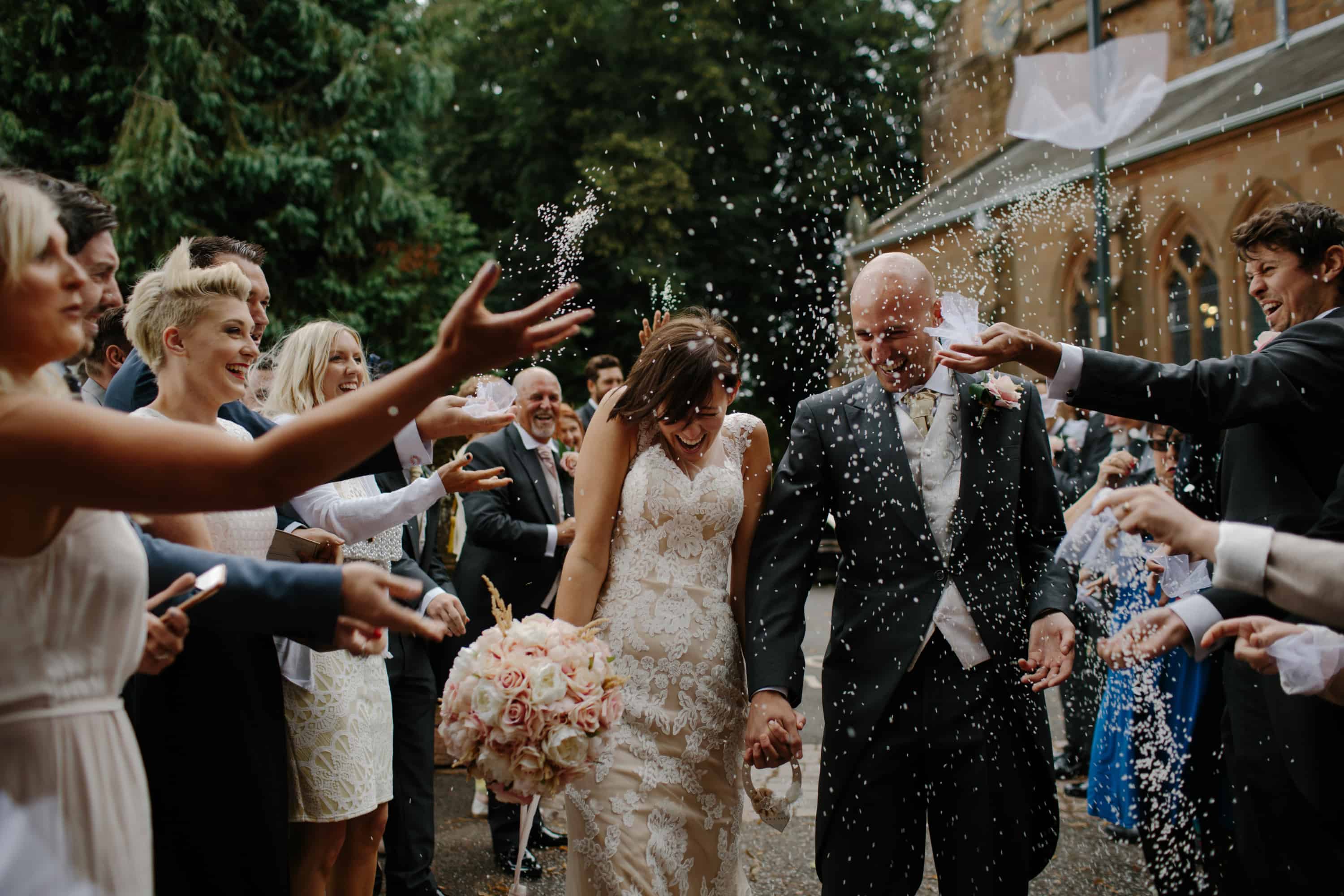
Ultimately, the most valuable moments are often the ones the client never notices. Colleen O’Neil is rewarded by seeing a joyful celebration come to life while her clients “truly enjoy their wedding day”, a direct result of her team handling every complexity behind the scenes.
Jessica Stewart sums this up perfectly with the story of the AV system failing 20 minutes before a major speaker:
“My team had backup equipment ready and swapped everything in 11 minutes… That client has sent us four referrals since then. Those invisible saves are what separate a good planner from someone people trust with their most important moments.”

Conclusion: Event Planning Business Owners
The event planning industry is not for the faint of heart, but its rewards are immense. These professional insights teach us that success is built on three key foundational pieces:
- Trust: Having a defined process that clients must buy into.
- Preparation: Turning every past failure into a lesson for the future.
- Impact: Focusing on creating transformative moments, whether that’s a family tradition being honored, a business partnership being born, or a client simply getting to enjoy their own day.
At the EC Marketing Agency, we understand that if you build systems that respect people, culture, and time, you get the moment everyone came for. Do that consistently, and your reputation and brand will be one that clients recommend with confidence.
Frequently Asked Questions: Event Planning Business
How do I avoid burnout during peak season?
One of the easiest ways to avoid burnout is to standardize everything you can. Having set processes in place will help to protect your time and allow for rest periods.
How do I handle clients who want to micromanage?
It’s important to set boundaries with your clients very early. That can be guidelines around updates, communication, and other touchpoints.
How do I bounce back from a bad event day?
One of the best advice I’ve ever received around this is to turn painpoints into policies. No matter how much we try, it is very difficult to manage everything when planning an event. But missteps are also learning opportunities. Fix the problem, and ensure you update your processes so it doesn’t happen again.